How Fashion Can Beat Returns Culture with Claims
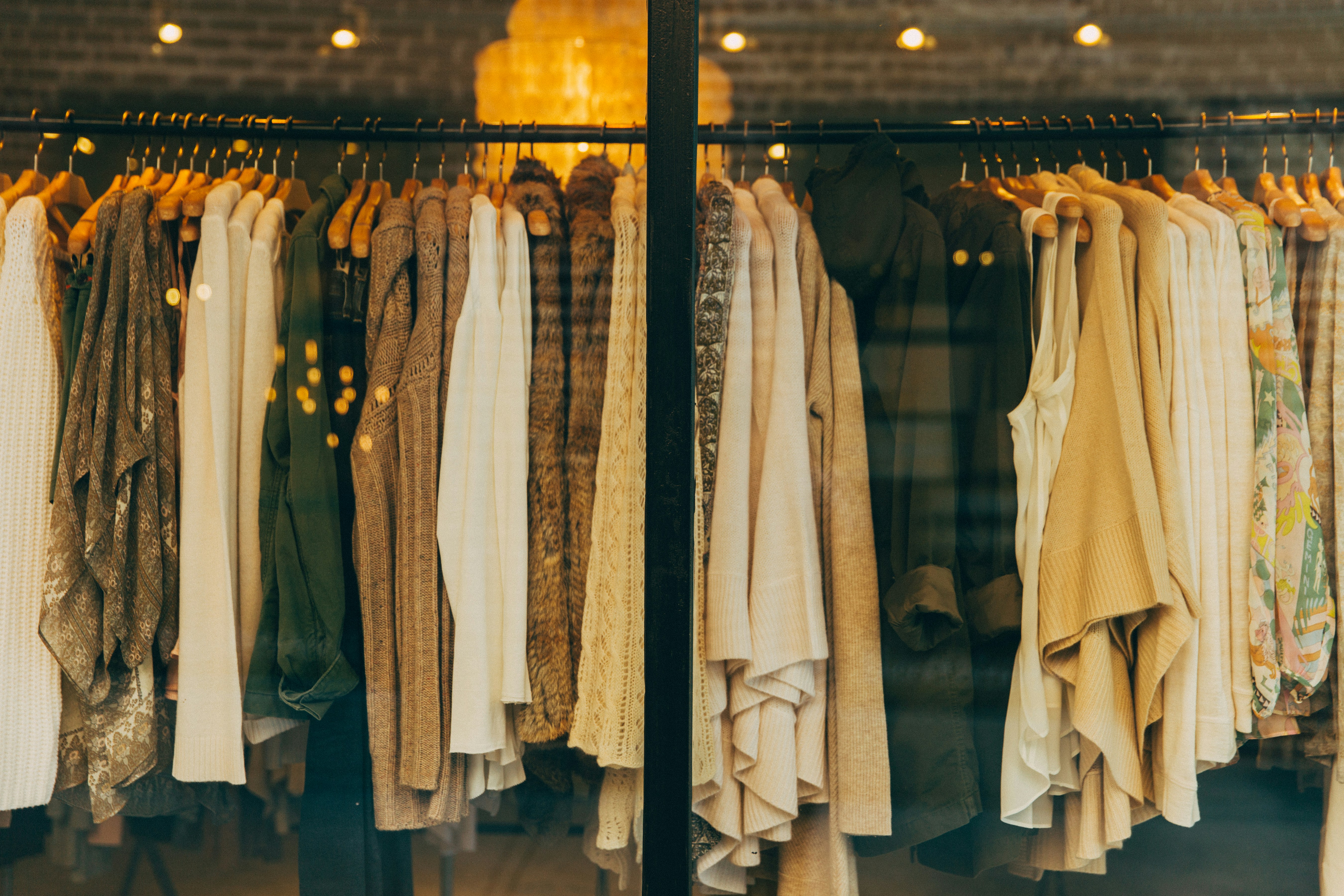
Fashion e-commerce is synonymous with returns. According to the National Retail Federation (NRF), the average e-commerce return rate was 16.9% in 2024. In fashion, it's almost double.
In the UK, for example, clothing is the most regularly returned e-commerce item, with one in four purchases sent back. In Switzerland, nearly half (45%) of fashion orders are returned. Meanwhile, European fashion giant Zalando has a huge 50% return rate across all its markets.
Dealing with returns is a massive issue for online fashion retailers - both in terms of cost and time - so what can you do to minimise the impact? Offset the costs with savings from courier claims automation. Here's how.
Fashion's returns problem
Returns are endemic in fashion e-commerce. On the one hand, style, fit, sizing and colour challenges makes it more likely to return a pair of shoes than a pair of scissors. But on the other hand, 'buy, try and return' culture has simply become ingrained in online clothes shopping.
The NRF's 2024 report found that almost half of Millennials (46%) and Gen Z (51%) order multiple clothing items with the intention of returning items (known as bracketing) with specific fashion items, such as dresses and skirts, returned more frequently.
This has a staggering cost for retailers. The CBRE estimates that the average return costs a retailer £20 per parcel, due to transport, warehousing and re-packaging costs - not to mention time spent on customer care. Even when returns are listed for resale, the cumulative costs of reverse logistics can lead to a 40% loss in profit for each item.
Managing customer expectations
The cost of returns is exacerbated by customer expectations. The NRF found that:
76% of customers look for free returns when deciding where to shop.
67% of customers would be put off shopping with a retailer after a poor returns experience.
84% of customers are more likely to make a purchase if the retailer offers simple returns and immediate refunds.
In other words, fashion retailers are under enormous pressure to provide a costly service for free. While flexible no-questions-asked returns may prove cost-efficient over time (through more future purchases), they make a huge dent in your current operating budget.
What's more, internet shopping has opened up fashion retailers to a world of new competitors. Returns policies have therefore become a competitive battleground with customers able to choose the retailer with the most lenient and flexible returns options.
How fashion is dealing with returns culture
Post-Covid, many online fashion retailers offered free returns. Combined with the ease of Amazon returns, this set unrealistic customer expectations - especially as production, labour and transport costs rose.
Now, two-thirds of fashion retailers charge for returns, while other retailers have tried different tactics to offset returns costs. These include:
Dynamic pricing. For example, Asos identifies customers with high return rates and charges them £3.95 for returns unless they keep at least £40 of goods from the order.
Loyalty perks. According to Vogue, some fashion brands offer free returns if you pay above a certain threshold (i.e. £2000) in one year.
Buy online, return in-store (BORIS). Fashion brands with physical outlets have encouraged in-store or warehouse returns to cut transport and shipping costs.
Sustainability donations. Instead of charging a fee, some brands ask for a 'sustainability donation' that covers the environmental costs of returns (i.e. transport/shipping).
Exchanges. Some brands provide financial incentives to exchange the item (i.e. £10 store credit) instead of returning it.
But, thanks to AI advancements, there is another tactic that fashion brands have started employing: offsetting returns costs with compensation from lost and damaged shipments.
How courier claims automation can offset fashion returns
Claiming compensation for unsuccessful forward logistics can offset the costs of your reverse logistics.
In the UK, 6.5% of deliveries encounter an issue, such as loss, damage, delay or theft. Given all major couriers provide compensation up to £100 per item, automated claims can help you recoup significant savings if you ship more than 5000 orders per month.
What's more, automated courier claims can directly reduce returns costs. According to Shippo, 38% of fashion buyers return items because of 'damage or defects'. If the damage occurs in transit, courier claims automation recoups the cost.
At Claimit, we help fashion e-commerce brands recoup up to 15% of their shipping costs through automated claims. No matter the courier you use, our platform automatically flags lost or damaged shipments, files the appropriate claim and speeds up compensation payouts.
For instance, sportswear retailer Sigma has sav4ed £240,000 since working with Claimit.
The bottom line? With automated courier claims, you can offset return costs and/or cover the cost of offering free returns without having to lift a finger.